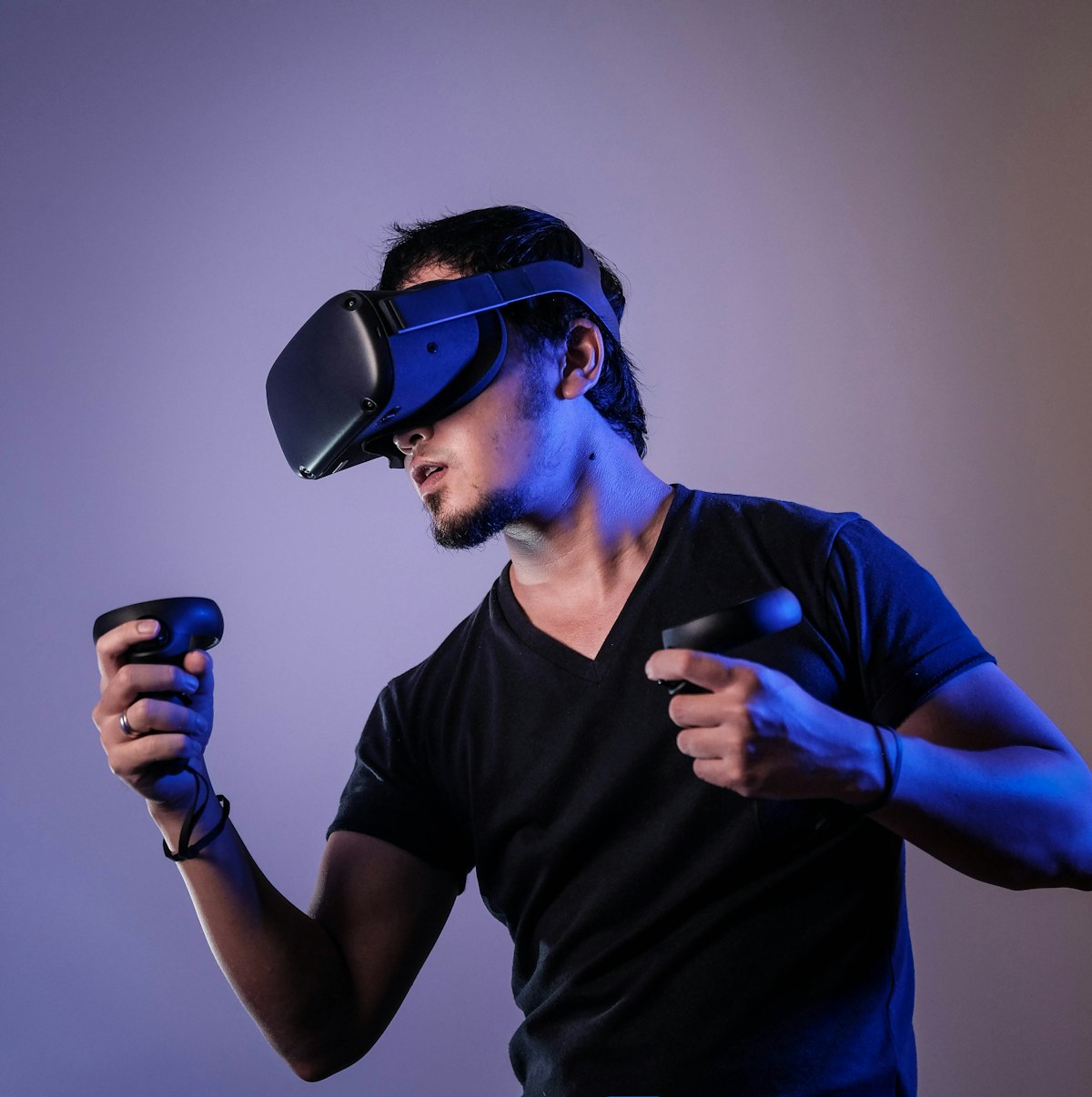
The history of computing is the history of removing friction. We moved from punch cards to keyboards, from mice to touchscreens, and now to voice commands. The final step is the most radical: removing the physical intermediary entirely.
Brain-Computer Interfaces (BCI) promise a world where thought creates action. At LeadSpark, we are actively researching the implications of neural inputs for digital product design. This is not science fiction; clinical trials for consumer-grade neural lace and non-invasive headsets are already underway. The question is no longer "if," but "how" we design for the mind.
The Bandwidth Bottleneck
Humans can think exponentially faster than they can type or speak. Our current output devices (thumbs on glass) restrict our cognitive throughput. Neural interfaces aim to uncork this bottleneck, allowing for communication at the speed of thought.
1. The Two Paths: Invasive vs. Non-Invasive
The industry is currently bifurcated into two distinct approaches, each with its own set of trade-offs regarding fidelity and accessibility.
- Invasive (The "Wet" Path): Companies like Neuralink are developing implantable threads that interface directly with neurons. This offers high-fidelity signal resolution but requires surgery, limiting its initial market to medical necessity.
- Non-Invasive (The "Dry" Path): Next-gen EEG wearables and fNIRS (functional near-infrared spectroscopy) headsets sit outside the skull. While the signal is noisier, the zero-risk form factor makes this the likely route for mass consumer adoption in gaming and VR.
2. Designing for "Intent" vs. "Thought"
The biggest UX challenge in BCI is the "Midas Touch" problem. We think thousands of fleeting thoughts every minute. If I think about closing a window, I don't necessarily want the computer to execute that command immediately.
We are developing new design paradigms for Intent Verification. This involves "double-check" neural triggers—like a specific mental visualization pattern used to "commit" an action—analogous to a mouse click, but performed entirely within the visual cortex.

Figure 1: Mapping synaptic pathways for digital command translation.
3. Cognitive Liberty & Neuro-Rights
If a device can read your intentions, can it also read your fears? Your biases? Your secrets? The integration of BCIs necessitates a new framework of human rights known as Cognitive Liberty.
At LeadSpark, we advocate for a "Privacy-by-Architecture" approach. Neural data should be processed locally on the device via Edge AI, ensuring that raw brainwave data never touches the cloud. Only the finalized "command" signal is transmitted, preserving the sanctity of the user's inner monologue.
4. The Symbiosis of AI and Biology
A raw EEG signal is chaotic noise. It requires sophisticated AI interpretation layers to decode meaning. We are entering an era of Symbiotic Computing, where an AI agent learns your specific neural patterns over time, calibrating itself to your unique way of thinking.
This creates a feedback loop: the user learns to control the device, and the device learns to understand the user. The result is a seamless extension of the self—where the digital tool feels like a phantom limb you have always possessed.
Prepare for Integration
The interface of the future has no screen. Are your digital products ready for neural inputs? We help forward-thinking companies prototype BCI-compatible applications today.
Explore Neuro-Design